The Egg Yolk That Stopped Me in My Tracks
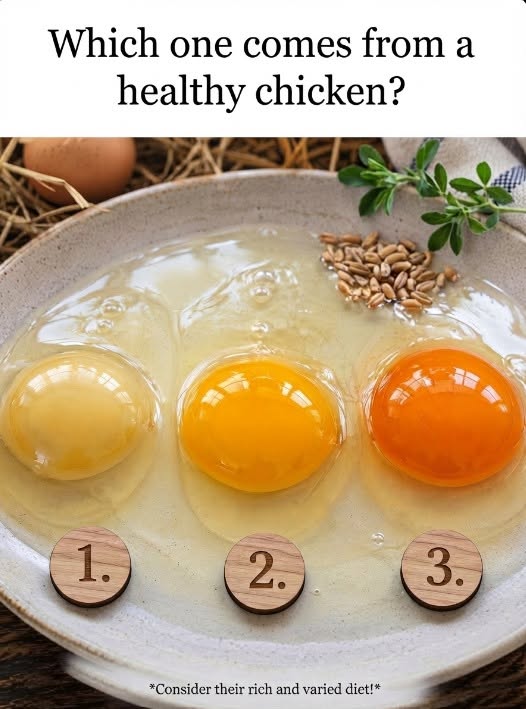
Here’s something I wish someone had told me years ago:
A pale yellow yolk isn’t automatically a bad egg.
It doesn’t mean the chicken was unhealthy.
It doesn’t mean the egg is unsafe.
And it doesn’t automatically mean the egg is nutritionally inferior.
The hen may simply have eaten a diet that produced less intense yolk pigmentation.
This is one of those food myths that sounds logical until you look a little closer.
Why Do Store-Bought Eggs Sometimes Look Different?
Eggs sold in different regions, brands, or seasons can have surprisingly different yolk colors.
That’s because the hens may be receiving different feed formulations.
Commercial egg producers carefully formulate feed to meet the nutritional needs of laying hens. Ingredients and pigment sources can vary.
That’s why you can buy two cartons from different producers and crack open eggs that look completely different inside.
And honestly?
I think that’s pretty fascinating.
The shell looks almost identical.
Then you crack it open and—surprise!
Different story.
Does the Hen’s Diet Affect the Egg?
Yes.
The hen’s diet is one of the major factors influencing yolk pigmentation.
Feed composition can affect not only yolk color but also the fatty-acid composition and certain nutrients in the egg.
This is one reason researchers study how different poultry diets influence egg composition.
But again, this doesn’t mean that you can judge the entire nutritional quality of an egg by its color.
Food is rarely that simple.
What About Eggs From Backyard Chickens?
Now we’re talking about a whole different kind of breakfast.
If you’ve ever cracked an egg from a backyard flock, you may have noticed that the yolk can look dramatically different from one egg to the next.
That’s because backyard hens may have varied diets.
They might receive commercial layer feed while also eating grass, plants, insects, kitchen-approved treats, and whatever they manage to find while scratching around.
That variation can affect yolk color.
And if the eggs are collected frequently and handled properly, they can be wonderfully fresh.
But even backyard eggs should be handled safely.
Fresh does not automatically mean bacteria-free.
Does Yolk Color Tell You How Fresh an Egg Is?
Not reliably.
Yolk color is primarily related to pigmentation and diet, not a simple freshness scale.
If you want to assess egg freshness, look at factors such as the carton date and proper storage, and keep eggs refrigerated as recommended.
When you crack one open, an older egg may have a flatter yolk and a thinner white, but appearance can vary.
And if an egg smells distinctly rotten when cracked?
That’s your answer.
Don’t taste-test it.
The Real Clue Is in the Carton
After my little golden-yolk discovery, I started paying much more attention to the carton.
Not because I wanted the darkest yolk possible.
Because I realized the carton can tell me things that the yolk simply can’t.
Depending on where you live, you may find information about:
- The production method
- Organic certification
- The producer
- Grading
- Pack or sell-by information
- Size
- Handling instructions
- Country or regional requirements
If animal welfare, organic production, or outdoor access is important to you, look for labels that specifically address those things.
Don’t let yolk color do all the talking.
Is an Orange Egg Yolk Safe to Eat?
see continuation on next page
