Difference Between Green Onions, Scallions, Spring Onions and Chives
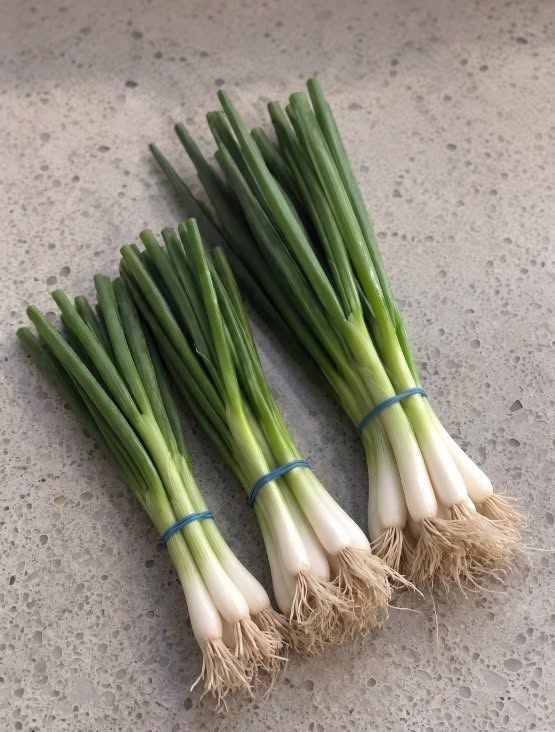
Can You Substitute One for Another?
Sometimes—absolutely!
But the result won’t always be exactly the same.
Green Onions and Scallions
These are usually interchangeable in recipes.
If your recipe says scallions and you have green onions, you’re generally good to go.
Spring Onions for Green Onions
Spring onions can often replace green onions, especially in cooked recipes.
Because spring onions can have a stronger flavor and larger bulb, you may want to adjust the amount slightly.
Chives for Green Onions
Chives can work as a garnish or flavor booster, but they aren’t a perfect one-to-one substitute.
They’re much more delicate and don’t provide the same crisp texture or substantial white portion.
If you’re making a dish where green onions are an important structural ingredient, chives won’t quite do the same job.
Green Onions for Chives
You can use finely sliced green onion as a substitute for chives when needed.
Just remember that green onions have a stronger flavor and crunchier texture.
For delicate dishes, start with less and add more if necessary.
Which Parts Should You Eat?
Good news: there’s very little waste!
Green Onions and Scallions
Both the white and green portions are edible.
The white section has a stronger onion flavor and works beautifully when sautéed or cooked.
The green tops are mild and are especially good sliced over finished dishes.
Spring Onions
The bulb and green tops can both be eaten.
The bulb can be sliced, sautéed, roasted, grilled, or eaten raw.
The green portion can be treated much like scallion greens.
Chives
The tender green stems are what you typically use.
Simply snip them with kitchen scissors or chop them with a knife.
If your chive plant produces flowers, the blossoms can also be edible and are lovely scattered over salads or savory dishes.
How to Choose the Best Ones at the Store
Freshness matters!
For Green Onions and Scallions
Look for:
- Bright green tops
- Firm white bases
- Crisp leaves
- No slimy areas
- No strong unpleasant odor
Avoid bunches that look wilted, yellow, or excessively damaged.
For Spring Onions
Look for firm bulbs and fresh, upright green tops.
The bulb should feel firm rather than soft or mushy.
For Chives
Choose bright green, perky stems.
Avoid chives that are limp, yellowing, or visibly dried out.
How to Store Them
These ingredients are delicate, so proper storage can make a big difference.
Green Onions and Scallions
Trim away any damaged portions and store them in the refrigerator.
One handy method is to wrap them loosely in a slightly damp paper towel and place them in a bag or container.
Another option is storing the roots in a small amount of water and covering the tops loosely, although you’ll want to change the water regularly.
Spring Onions
Keep them refrigerated and use them relatively soon after purchasing for the best texture and flavor.
Chives
Chives are best refrigerated and protected from drying out.
A damp paper towel and a loosely closed container or bag can help keep them fresh.
Can You Freeze Green Onions, Scallions, Spring Onions and Chives?
Yes, but freezing changes the texture.
That’s not usually a problem if you’re planning to cook them afterward.
Frozen green onions, spring onions, or chives can be useful in:
- Soups
- Sauces
- Stir-fries
- Casseroles
- Egg dishes
For fresh garnishes, however, freshly chopped ingredients are much better.
The crisp texture just doesn’t survive freezing quite the same way.
How to Use Green Onions and Scallions
see continuation on next page
