Doctors Point Out That Peanuts Consumption Can Lead to… Remarkable Health Benefits (With Important Caveats)
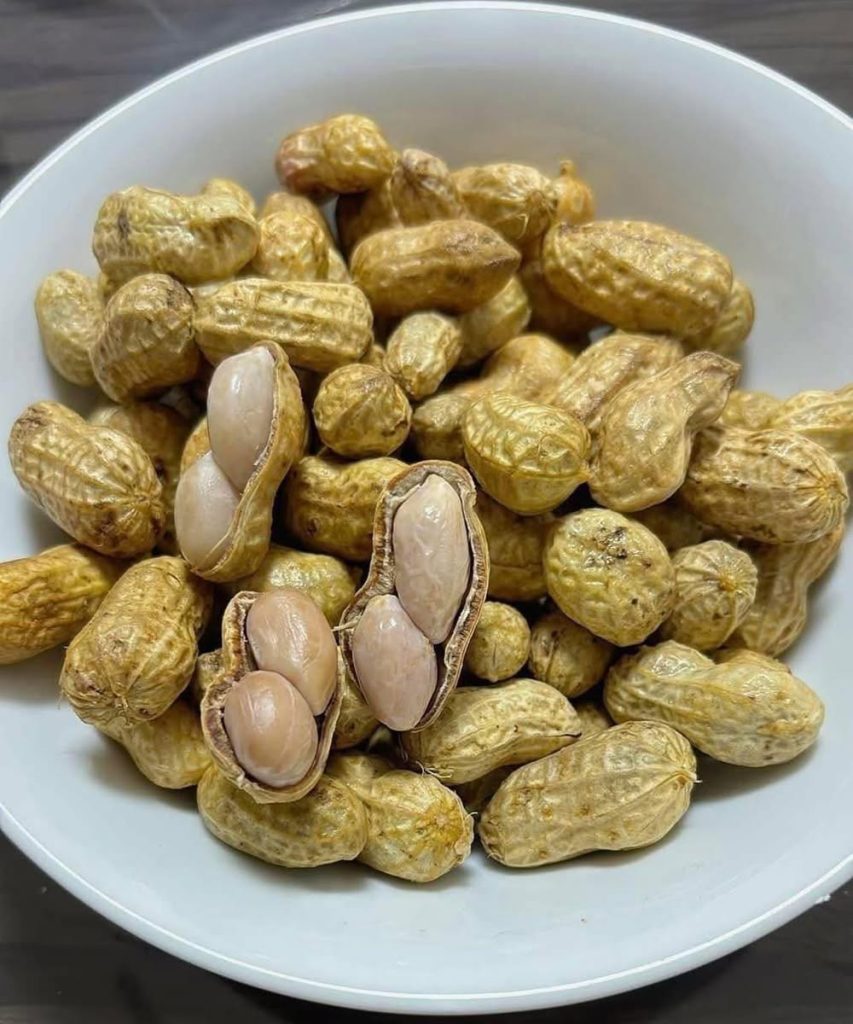
Peanuts are one of the most beloved snacks worldwide—crunchy, satisfying, and surprisingly nutritious. But what do doctors actually say about making peanuts a regular part of your diet? The answer is more nuanced than a simple “good” or “bad.”
Let’s explore what happens to your body when you eat peanuts regularly, who should be cautious, and how to enjoy them for maximum benefit.
The Nutritional Profile: Small Nut, Big Impact
One ounce (about 28 grams) of peanuts contains:
| Nutrient | Amount | % Daily Value | Benefit |
|---|---|---|---|
| Protein | 7 g | 14% | Muscle maintenance, satiety |
| Healthy fats | 14 g | — | Mostly monounsaturated (heart-healthy) |
| Fiber | 2.4 g | 10% | Digestive health, blood sugar control |
| Niacin (B3) | 4.2 mg | 26% | Energy metabolism, brain health |
| Vitamin E | 2.4 mg | 16% | Antioxidant, skin health |
| Magnesium | 49 mg | 12% | Muscle function, blood pressure |
| Manganese | 0.6 mg | 28% | Bone health, metabolism |
| Folate | 41 mcg | 10% | Cell growth, DNA synthesis |
And all for about 160 calories per ounce.
What Doctors Say Happens When You Eat Peanuts Regularly
1. Your Heart Health May Improve
Despite their “high-fat” reputation, peanuts are rich in heart-healthy monounsaturated and polyunsaturated fats. Studies consistently show that regular peanut consumption is associated with:
-
Lower LDL (“bad”) cholesterol
-
Reduced triglycerides
-
Lower risk of heart disease
The research: A landmark study from Harvard found that people who ate nuts (including peanuts) daily had a 29% lower risk of dying from heart disease.
2. Your Blood Sugar May Stabilize
Peanuts have a low glycemic index and are rich in protein, fat, and fiber—all of which slow the absorption of carbohydrates. For people with diabetes or prediabetes, peanuts can be a smart snack choice.
The research: Studies show that eating peanuts can help prevent blood sugar spikes and improve insulin sensitivity.
3. Your Weight May Be Easier to Manage
This might seem counterintuitive—peanuts are calorie-dense, after all. But research consistently shows that nut consumption is associated with healthier body weight, not weight gain.
Why:
-
Protein and fiber increase satiety
-
Some calories may not be fully absorbed
-
Replacing less healthy snacks with peanuts reduces overall calorie intake
4. Your Brain Gets a Boost
Peanuts are rich in niacin (vitamin B3) and resveratrol, compounds linked to:
-
Improved cognitive function
-
Reduced risk of age-related cognitive decline
-
Protection against neurodegenerative diseases
5. Your Gallbladder May Benefit
A long-term study from Harvard found that women who ate peanuts frequently had a 25% lower risk of gallbladder disease.
The Important Caveats: Who Should Be Cautious?
see continuation on next page
