Why Tiny White Worms Sometimes Appear When You Soak Raspberries In Salt Water
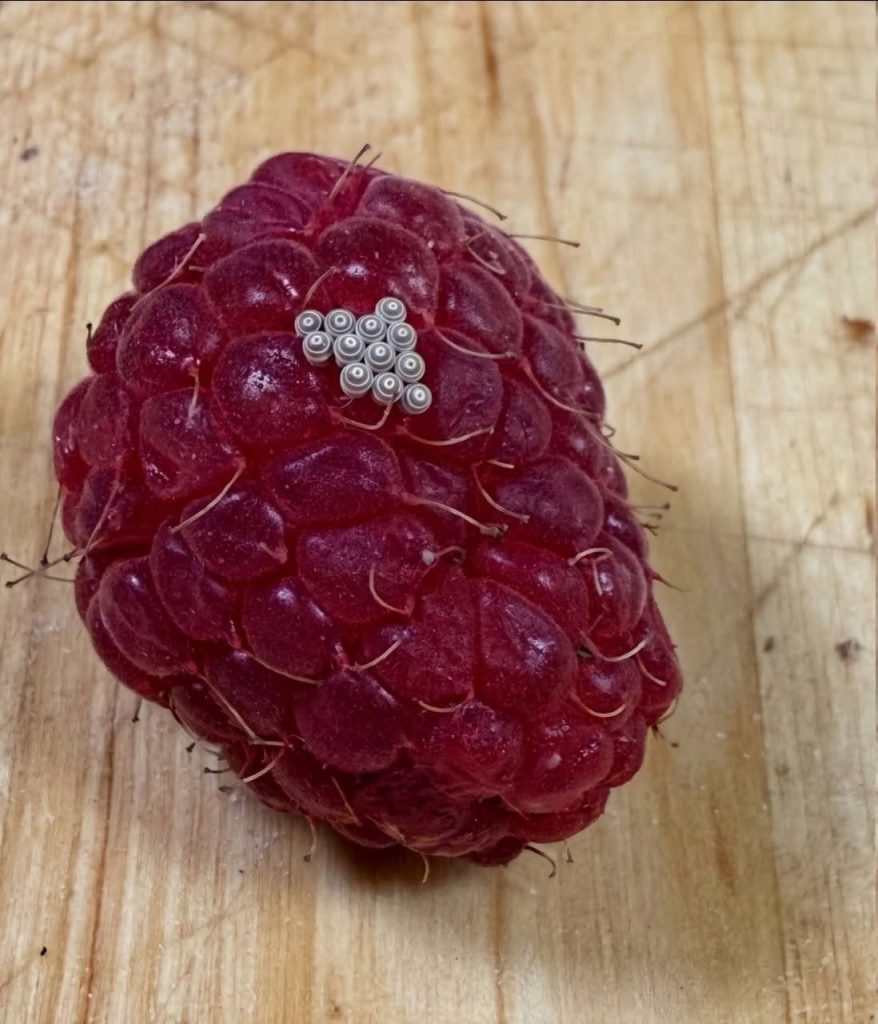
Why Tiny White Larvae Can Appear When You Soak Raspberries in Salt Water
A simple kitchen cleaning method has left many fruit lovers surprised after discovering tiny white larvae emerging from fresh raspberries during a salt-water soak.
The unsettling sight can be alarming, especially when the berries initially appear perfectly fresh. People often place raspberries in a bowl of water mixed with salt in an effort to remove dirt, residue, or hidden insects. After several minutes, however, small, white, thread-like organisms may begin wriggling out of the fruit.
For anyone encountering this for the first time, the reaction is understandable. But while the sight may be unpleasant, there is a natural explanation for what is happening.
Why Do Larvae Come Out of Raspberries?
Soft fruits such as raspberries and blackberries can sometimes harbor insect larvae that are difficult to see from the outside. One insect of particular concern to berry growers is the spotted-wing drosophila, a small fruit fly capable of laying eggs in ripening or ripe fruit.
Unlike many common fruit flies, spotted-wing drosophila can lay eggs in relatively intact soft-skinned fruit. Once the eggs hatch, the larvae remain inside the berry and feed on the fruit.
Because raspberries have delicate skin and a soft structure, they can be particularly vulnerable. The larvae are extremely small and may remain unnoticed until the berries are disturbed.
Does Salt Water Create the Larvae?
No. The salt-water solution does not cause larvae to suddenly develop inside the fruit.
Instead, soaking can make organisms that are already present in the berries easier to see. The change in the surrounding environment can encourage small larvae to move out of the fruit, where they become visible against the water.
This is why some people are shocked to see tiny white organisms appearing only after the berries have been soaked. The soaking process is essentially revealing something that may already have been inside the fruit.
Does This Mean the Raspberries Are Spoiled?
Not necessarily.
The presence of insect larvae is different from the presence of mold or obvious spoilage. Fresh produce is grown outdoors and can naturally come into contact with insects during cultivation and harvesting.
That said, consumers should always inspect berries carefully before eating them. Raspberries that are moldy, leaking, unusually soft, have an unpleasant smell, or show other obvious signs of deterioration should be discarded.
If the berries are otherwise fresh, some people may choose to wash and use them, while others may prefer to throw them away simply because the discovery is unpleasant. That decision is largely a matter of personal preference and comfort.
How Should You Wash Raspberries?
Raspberries are delicate, so they should be handled carefully. Rather than aggressively rubbing them, rinse them gently under clean, cool running water before eating.
If you have soaked the berries, rinse them thoroughly afterward and remove any visibly damaged or spoiled fruit. Because raspberries can deteriorate quickly, it is generally best to wash only the amount you plan to eat soon rather than leaving washed berries sitting in the refrigerator for an extended period.
Keeping the fruit refrigerated can also help slow deterioration and maintain its quality.
What If You Still Feel Uncomfortable Eating Them?
